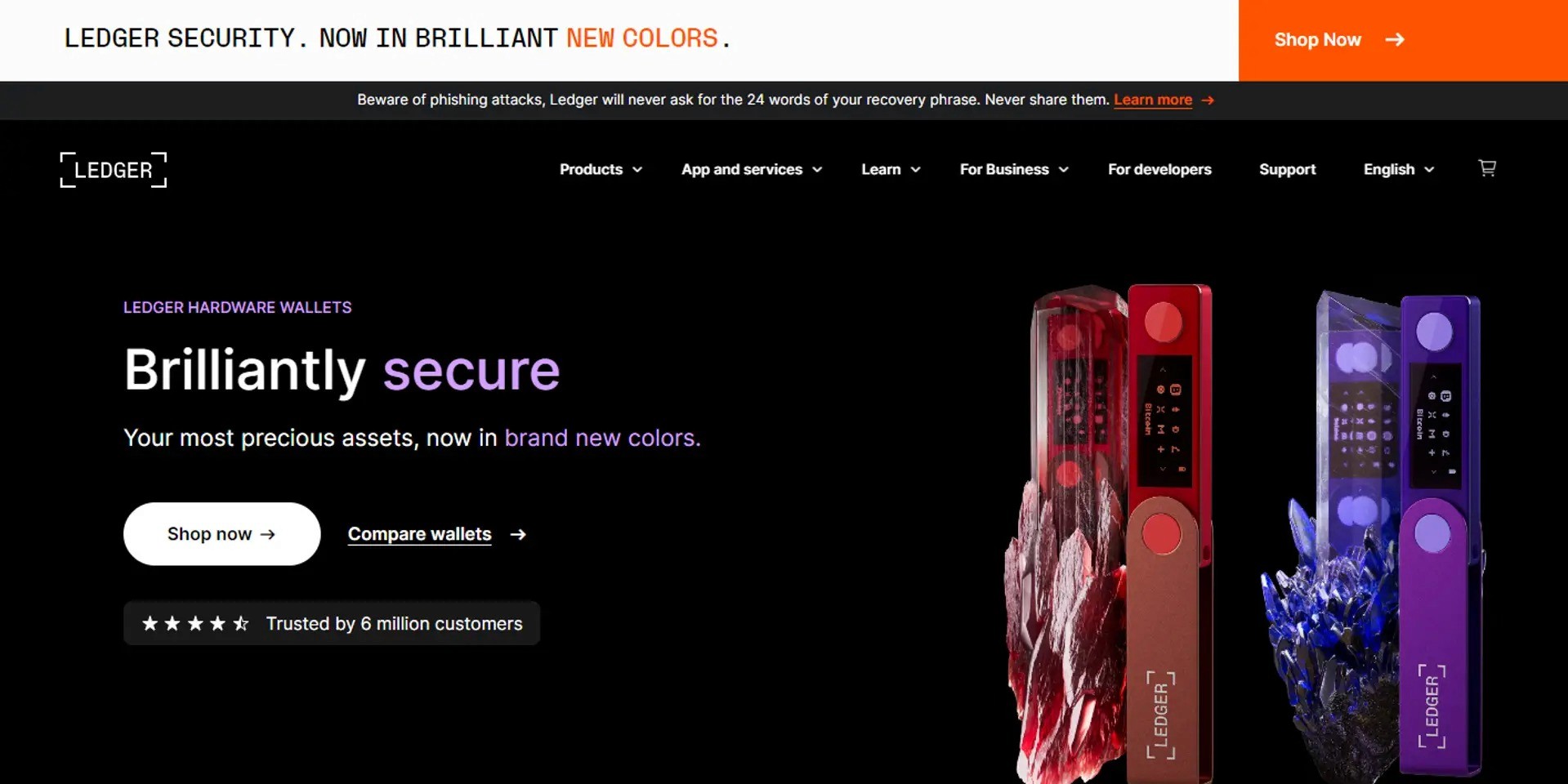
Ledger.com/start: The Ultimate Guide to Setting Up and Securing Your Ledger Hardware Wallet
In the world of cryptocurrency, security is paramount. Digital assets, unlike traditional banking funds, are fully controlled by private keys. If those keys are exposed or lost, your assets can be stolen or irretrievably lost. Ledger hardware wallets provide a highly secure way to store these keys offline. To begin using a Ledger device safely, users are instructed to start at the official portal: Ledger.com/start. This guide walks you through everything you need to know about the portal, the setup process, and long-term security practices.
This article covers all steps in detail, including unboxing, verifying device authenticity, installing Ledger Live, creating and securing a recovery phrase, adding accounts, sending and receiving cryptocurrencies, firmware updates, and best practices to avoid common mistakes. It is structured for beginners and experienced users alike.
What Ledger.com/start Is
Ledger.com/start is the official portal for onboarding new Ledger hardware wallet users. Its purpose is to guide users through initializing their device safely and securely. The portal ensures that you download verified software, verify device authenticity, set up PIN codes, generate and secure your recovery phrase, and manage your crypto portfolio with Ledger Live, the companion application.
The importance of starting at Ledger.com/start cannot be overstated. It protects users from phishing websites, fraudulent downloads, and counterfeit hardware wallets. Following the instructions on this portal provides a strong foundation for long-term crypto security.
Why Hardware Wallets Are Essential
A hardware wallet stores private keys offline, making them immune to online threats like malware, hacking, or phishing attacks. Unlike software wallets or exchange wallets, hardware wallets provide a physical barrier that prevents unauthorized access. Ledger devices are designed with secure elements, cryptographic protections, and trusted firmware to ensure maximum security.
Even if your computer is compromised, a Ledger wallet requires physical confirmation on the device for every transaction, providing a layer of protection that software wallets cannot match. Ledger.com/start ensures that the device is set up properly from the beginning to maximize these security benefits.
Preparing for Setup
Before visiting Ledger.com/start, make sure you have:
A brand-new Ledger hardware wallet in sealed packaging.
A USB cable (provided with the device).
A computer or smartphone free from malware.
A private space where you can safely set up the device.
Paper and pen or a secure metal plate to record your recovery phrase.
Having these items ready ensures a smooth and secure setup process.
Unboxing and Authenticity Checks
When unboxing your Ledger device, check that the packaging is intact and untampered. Ledger devices never come with a pre-written recovery phrase. If a recovery sheet is already filled, the device may be compromised and should not be used.
Inside the box, you will typically find:
The Ledger device
USB cable
Recovery sheets
Quick start guide
Accessories depending on the model
Ledger.com/start provides instructions on verifying the authenticity of your device using Ledger Live, a crucial step to ensure the device has not been tampered with.
Installing Ledger Live
Ledger Live is the official application for managing your Ledger hardware wallet. It allows you to:
Initialize your device
Update firmware
Install cryptocurrency apps
Create and manage accounts
Send and receive crypto
Monitor balances and portfolio performance
Always download Ledger Live through Ledger.com/start to ensure you get the verified, official version. Counterfeit applications can compromise your private keys and lead to the loss of funds.
Once installed, Ledger Live guides you through connecting your device and initializing it securely.
Creating a New Wallet and PIN
When initializing your Ledger device, you will create a new wallet and set a PIN code. The PIN code is required every time you use the device to confirm transactions or access accounts.
Tips for a secure PIN:
Avoid obvious combinations such as 1234 or birthdays.
Keep it confidential and do not store it digitally.
Enter it only on the device itself.
The PIN adds an extra layer of security in case your device is lost or stolen.
Generating Your Recovery Phrase
The next step is generating your recovery phrase. Ledger devices provide a 24-word seed phrase, which serves as the ultimate backup for your wallet. If your device is lost, stolen, or damaged, the recovery phrase is the only way to restore access to your funds.
Guidelines for the recovery phrase:
Write down the words in the exact order provided.
Never store it digitally or online.
Never share it with anyone.
Confirm the phrase on the device when prompted.
Anyone with access to the recovery phrase has full control over your funds. Ledger representatives will never ask for it.
Installing Cryptocurrency Apps
Ledger devices use separate apps for each cryptocurrency. After generating your recovery phrase, Ledger Live allows you to install these apps directly onto your device. Examples include:
Bitcoin
Ethereum
Solana
Litecoin
Dogecoin
Devices have limited storage, but apps can be removed and reinstalled without affecting your funds, as the private keys remain secure on the device.
Adding Accounts in Ledger Live
With cryptocurrency apps installed, you can add accounts in Ledger Live. An account represents a blockchain address linked to your private keys. Adding accounts requires connecting your device and confirming account creation on the hardware wallet, ensuring that malware cannot create unauthorized addresses.
Sending and Receiving Cryptocurrency
Ledger Live provides an interface to send and receive digital assets safely.
Receiving funds:
Use Ledger Live to generate a public address.
Verify the address on the Ledger device.
Share only the verified address.
Sending funds:
Enter the recipient address and amount in Ledger Live.
Confirm the transaction on the device.
Only after physical confirmation is the transaction signed and broadcast.
This two-step verification protects you from malware that might alter transaction details on your computer.
Firmware Updates and Ongoing Maintenance
Ledger frequently releases firmware updates to enhance security and functionality. Ledger Live will notify you when updates are available. Always confirm firmware updates on the device and avoid disconnecting it during the process. Regular updates ensure the device remains protected against emerging threats and compatible with new cryptocurrencies.
Common Mistakes to Avoid
Several errors can compromise wallet security. Common mistakes include:
Downloading Ledger Live from unofficial sources
Sharing your recovery phrase
Storing your recovery phrase digitally
Using pre-initialized or tampered devices
Not confirming addresses on the device
Leaving the device unlocked or in unsecured locations
Avoiding these mistakes significantly reduces security risks.
Long-Term Security Best Practices
Once your Ledger wallet is set up, ongoing security is critical. Best practices include:
Store your recovery phrase offline in a secure location.
Use a metal backup plate for added durability.
Enable a strong PIN.
Regularly update firmware.
Be cautious of phishing attempts.
Keep the device physically secure.
Hardware wallets protect private keys, but vigilant usage is necessary to maintain full security.
Conclusion
Ledger.com/start provides a verified, step-by-step process for safely initializing a Ledger hardware wallet. From unboxing and verifying authenticity to setting up Ledger Live, creating a PIN, generating a recovery phrase, and managing accounts, the portal ensures users start securely. Using a Ledger device with proper setup procedures significantly reduces the risk of hacking or theft, making it one of the safest ways to store cryptocurrency.
By following these steps and adhering to long-term security best practices, both new and experienced cryptocurrency holders can protect their assets effectively. Ledger.com/start is the essential starting point for anyone who wants to combine convenience with top-level security.